

Health Hazards of Vitamin Supplements
- By Bahram Maskanian - June 21, 2014
Mother Nature in her infinite wisdom has already put in place many truly magnificent an astonishing self-sustaining life supporting systems for growing, nurturing and promoting evolution of life and all it contains therein. Problems begin when the corporate criminal goons in pursuit of plundering trillions of dollars, mass population control and dumbing down the public, begin to medal in the finely tuned natural laws and rhythms.
According to many studies in U.S. over 90% of Americans are completely clueless of what is good healthy diet and what is not, the very same ignorant majority is easily fooled at the sight of fraudulent and phony labels on many unhealthy products stating: “MADE FROM ALL ‘NATURAL’ INGREDIENTS”. Arsenic, mercury, lead, ionizing radiation and much more highly hazardous materials are also natural, but that doesn’t mean we should add them to our foods and eat them..!
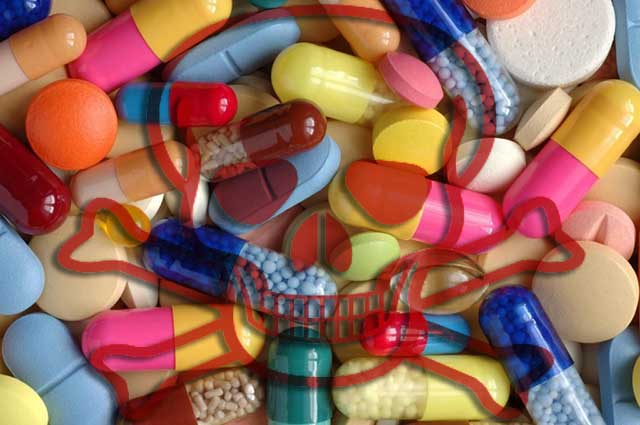
The truth is that Vitamin Supplements are far from safe, or risk-free, more than 6,300 reports of serious adverse events associated with dietary supplements were reported to the FDA in 2014. The reports described more than 10,300 serious outcomes, including 115 deaths and 2,100 hospitalizations.
Here are a few good indisputable reasons why all vitamins supplements are no good and hazardous to your health. Unlike the popularly myth and misconception, vitamins are not extracted from naturally found healthy ingredients in nature. For example, suppose a fruit contains XZ vitamin that is a good boner drug..! The greedy criminal nation-less pharmaceutical corporation’s bosses are not going to spend money to buy, or grow that fruit and extract XZ from it, instead they will synthesize the chemical blocks of the XZ and then began mixing artificial man-made dangerous chemicals with many harmful side-effects until they closely match the atomic structure of the XZ element in the laboratory for the production of boner drugs, which will costs pennies to manufacture and is sold at 1000s of percent markups. The vitamin supplement manufacturers follow the exact same procedures.
I know what you thinking, if it is an exact, or close match why is it not good..? You see, the cells in our bodies are constantly sending out and receiving chemical and electric signals in order to communicate, plan and carryout their responsibilities. All naturally grown live microscopic elements have a built-in intelligence, capable of communicating with each other and know exactly where in our body they should go and what they should be doing, etc. However, the artificially synthesized elements obviously will not and could not communicate because they are dummies, not alive. When our body, at the genetic level come in contact with artificially synthesized vitamins, after a close examination and receiving no signals, our body will quickly dispose of the dummy elements. But in route out of our body, the harmful side-effects of the artificially synthesized vitamins will damage our vital organs..!
Picture this, imagine your are at a clothing store and you see a nice outfit you like to try on, on a human like mannequin, whom are you going ask for the outfit, from the mannequin, dummy, or a live sales person..?
Did you know our own digestive track can and will produce all the minerals and vitamins our body needs, provided of course, if we stay away from all forms of alcohol, sodas, all wheat products: breads, cereal, pasta, coffee, sugar, any and all things coming out of box, or container, anything with artificial sweeteners, or fat-free, sugar-free crap, and generally keep away from processed foods and fruit juices and soft drinks. Avoid dairy products, fish, all fish contain high levels of mercury, also using supplements for body-building, weight loss and sexual help, are extremely bad ideas.
Seasonal, local and fresh preferably real organic fruits and vegetables, if not available, add a cup of white vinegar to water, soak vegetables, allow 30 minutes, rinse and enjoy your fresh greens and fruits, plus healthy proteins, such as: meats, nuts, eggs etc., maximum daily intake of meat should not exceed more than 5 ounce (140 grams) per day, should be important part of our daily diet, we will never need any vitamins supplements of any kind.
Calcium is a good example for understanding the difference between artificial verses natural element. Many long-term studies have shown that Calcium taken in form of vitamin supplement will harm your heart and kill you. On the other hand, Calcium obtained naturally by enjoying fruits and vegetables does exact the opposite and strengthens your heart and prolongs your life.
Following time honored practices of the criminal nation-less pharmaceutical corporations
Many "natural" food supplements contain an awesome list of synthetic fillers. In general, the more filler, the cheaper the supplement. If it's in a tablet, the chances are close to 100% that some type of harmful filler will be found in the tablet. With some exceptions, pure substances such as vitamin, mineral chelates, herbs or amino acids do not possess the necessary characteristics which allow them to be compressed directly without the addition of binders, lubricants, diluents, disintegrators, coloring and flavoring agents.
The larger the tablet, the more it requires the use of binders, substances that give cohesive qualities to powdered materials; in other words, they hold the ingredients together for tablet formulation. A common binder is cellulose. Smaller tablets may be manufactured using the cellulose derivatives (ethyl, methyl) as binders.
Time release tablets are perhaps the most worrisome. For example, the release of 1000 mg. of Vitamin C over a period of 6 hours may require the addition of 400 mg. of hydrogenated oil (plastic butter) to the tablet. The addition of more oil prolongs the release, while the use of less allows quicker disintegration.
Supplements in a vegetable-based capsule, powder or liquid form do not have such requirements and are far less likely to contain toxic additives. If you are a strict vegetarian, beware of gelatin-encapsulated supplements. Gelatin used in the manufacture of capsules is derived from collagenous beef (bovine) or pork (porcine/swine) material.
Although it is true that most healthy people will have no obvious side effects from ingesting the small amount of toxins found in cheap vitamins, the long term consequences of continuous, daily intakes are potentially dangerous. Over 7% of the population displays sensitivity to these chemicals which, for the most part, do not elicit immediate allergic reactions in the average healthy person. Allergic reactions can affect any organ system in the body including the brain which often displays symptoms such as fatigue, memory loss, depression, anxiety, hallucinations and insomnia.
Today, the most commonly used excipients in drugs, vitamin, mineral and other tableted items are listed below:
From "1992 Excipient Usage In Marketed Drugs, USA"
Magnesium Stearate
Lactose
Starch (Corn)
Microcrystalline Cellulose
Silicon DioxideTitanium Dioxide
Stearic Acid
Sodium Starch Glycolate
Gelatin
Talc
Sucrose
Povidone
Pregelatinized Starch
Hydroxy Propyl Methylcellulose
OPA Products
Croscarmellose
Calcium phosphate
Hydroxy Propyl Cellulose
Ethylcellulose
Crospovidone
Shellac
Calcium Stearate
The following is just a partial list of what to watch out for in purchasing nutritional supplements for you and your family:
PROPYLENE GLYCOL - is a well-known anti-freeze used in products such as windshield washer fluid. It is also the major ingredient in brake and hydraulic fluid. It can be a strong skin irritant with frequent use in cosmetics, shampoos and medicinal lotions. Propylene glycol has been documented to cause liver abnormalities and kidney damage.
SODIUM LAURYL SULFATE (SLS) and SODIUM LAURETH SULFATE (SLES) - are used in shampoos for their detergent and foam-building abilities. They are found in garage floor cleaners, engine degreasers and car wash soaps. They are one of the most harmful ingredients found in personal-care products like shampoos. Studies show that these additives react with the ingredients of food supplements or cosmetics to form carcinogenic nitrates and dioxins, all of which may enter the circulation with each shampooing or oral ingestion. SLS can be retained in the liver, heart, eyes, kidneys and muscles for periods of several years after use and have been reported to cause eye irritations, skin rashes, hair loss, dandruff and allergic reactions.
Other potentially hazardous substances found as fillers in vitamin and mineral supplements are SODIUM BENZOATE, BHT, BHA, TARTRAZINE, LACTOSE, PEANUT OIL, HYDROGENATED COTTONSEED OIL, TITANIUM DIOXIDE, POLYSORBATE 80, MICROCRYSTALLINE CELLULOSE, MAGNESIUM STEARATE, RED DYE NO. 33 and 40, ETHYL CELLULOSE, SORBIC ACID, FRACTIONATED COCONUT OIL and CORNSTARCH.
Well respected researcher, Dr. David Horrobin, describes BHT, BHA, tartrazine and other coloring materials as "...inhibitors of the conversion of essential fatty acids to prostaglandins or are chemically related to such known inhibitors."
Al Czap reports that there may be long term hazardous effects of taking such chemicals on a regular basis in vitamin and mineral supplements including coronary artery disease. BHT, BHA, chlorinated pesticides such as DDT, plasticizers, aromatics, as well as some alkanes (saturated hydrocarbons such as paraffin or wax) have been found deposited in the plaque of individuals suffering from coronary artery disease. People who use large numbers of vitamin and mineral tablets may actually be contributing to the diseases they are attempting to prevent.
10 surprising dangers of vitamins and supplements
Don't assume they are safe because they are 'all natural'
Consumer Reports magazine: September 2012
More than half of American adults take vitamins, minerals, herbs, or other nutritional supplements. Some of those products aren’t especially helpful, readers told us in a recent survey, but that aside, don’t assume they’re safe because they’re “all natural.” They may be neither. Here are 10 hazards that we’ve distilled from interviews with experts, published research, and our own analysis of reports of serious adverse events submitted to the Food and Drug Administration, which we obtained through a Freedom of Information Act request. Read and be warned.
1. Supplements are not risk-free
More than 6,300 reports of serious adverse events associated with dietary supplements, including vitamins and herbs, streamed into the FDA from supplement companies, consumers, health-care providers, and others between 2007 and mid-April of 2012. The reports by themselves don’t prove the supplements caused the problems, but the raw numbers are cause for some concern. Symptoms included signs of heart, kidney, or liver problems, aches, allergic reactions, fatigue, nausea, pains, and vomiting.
The reports described more than 10,300 serious outcomes (some included more than one), including 115 deaths and more than 2,100 hospitalizations, 1,000 serious injuries or illnesses, 900 emergency-room visits, and some 4,000 other important medical events.
The FDA gets far more reports about serious problems with prescription medication than about supplements. But there’s a big difference between the two, notes Pieter Cohen, M.D., an internist at Cambridge Health Alliance in Massachusetts with a special interest in supplements. “These powerful medications with powerful side effects are actually saving lives when used appropriately,” he says of prescription drugs. “But when healthy consumers use supplements, there’s rarely, if ever, a powerful lifesaving effect.”
The FDA suspects most supplement problems never come to its attention, says Daniel Fabricant, Ph.D., director of the agency’s Division of Dietary Supplement Programs. But those that do are still useful because they can raise red flags about a developing problem. For instance, last year the agency noted seven reports of serious health problems regarding consumers who took Soladek vitamin solution, marketed by Indo Pharma of the Dominican Republic. When the FDA learned that tested samples contained vitamins A and D at concentrations many times the recommended daily allowances, it issued a consumer warning.
Why not simply order a problem product off the market? Current laws make that so difficult for the FDA that to date it has banned only one ingredient, ephedrine alkaloids. That effort dragged on for a decade, during which ephedra weight-loss products were implicated in thousands of adverse events, including deaths.
Type the name of the supplement you’re interested in into the search box at www.fda.gov to see whether it has been subject to warnings, alerts, or voluntary recalls. If you suspect you’re having a bad reaction to a supplement, tell your doctor. You can also report your problem to the FDA at 800-332-1088 or www.fda.gov/medwatch.
2. Some supplements are really prescription drugs
Fabricant has said that dietary supplements spiked with prescription drugs are “the largest threat” to consumer safety. Since 2008 there have been recalls of more than 400 such products, mostly those marketed for bodybuilding, sexual enhancement, and weight loss, according to the FDA.
We’ve seen many recalled products that have contained the same or similar active ingredients as prescription drugs, such as sildenafil (Viagra), tadalafil (Cialis), and sibutramine (Meridia, a weight-loss drug that was withdrawn from the market in 2010 because of evidence that it increased the risk of heart attacks and strokes). Others contained synthetic steroids.
Those adulterated products can cause some of the same side effects and interactions that consumers may have been trying to avoid by choosing supplements over drugs. The FDA has received reports of strokes, acute liver injury, kidney failure, pulmonary embolism (blood clots in the lung), and death associated with drug-tainted supplements.
“A number of the spiked sexual enhancement products claim to work within 20 to 45 minutes,” Fabricant said on the FDA’s website. “When we see a product that makes claims above and beyond what a dietary supplement might do—above supporting health—and within a time frame of a few minutes, it tips us off that we might have a spiked product.”
Slim down with diet and exercise. Build muscles by weight training. And consult a doctor if you need help in the bedroom, since it could indicate an underlying health problem. If you suspect you’ve purchased a product that is tainted with undeclared prescription drugs or steroids, send an e-mail about it to the FDA, at This email address is being protected from spambots. You need JavaScript enabled to view it..
3. You can overdose on vitamins and minerals
Unless your health-care provider tells you that you need more than 100 percent of the recommended daily intake of a particular nutrient, you probably don’t.
“It doesn’t make sense to me to take huge doses of vitamins and minerals unless there’s a diagnosed problem, because there is so little evidence that they do good and sometimes a possibility that they might do harm,” says Marion Nestle, M.P.H., Ph.D., a professor of nutrition, food studies, and public health at New York University.
Megadoses of the fat-soluble vitamins A, D, E, and K can cause problems, and even some standard doses may interfere with certain prescription medicine. Some people may experience adverse effects from too much calcium or iron.
The table below shows the maximum daily intake of key nutrients that the Institute of Medicine has determined is unlikely to pose a risk of adverse health effects. (The numbers apply to the general population, not to those who may need supplementation because of a medical condition.)
It’s surprisingly easy to overdo it. For instance, a 50-something woman who’s worried about her bones might eat a breakfast of Whole Grain Total cereal, which contains around 1,000 milligrams of calcium per serving, with a half-cup of skim milk (150 milligrams of calcium), and take a calcium supplement (500 milligrams) on top of her One-A-Day Menopause Formula multivitamin, which includes 300 milligrams of calcium. She’d already be coming close to the upper tolerable daily calcium limit of 2,000 milligrams.
Using information from the labels on the supplements and food you routinely consume, add up your total daily exposure to everything, and then check the related table to see whether you’re overdoing it. If your doctor says you need more of a specific nutrient than you can get from food (or sun exposure, in the case of vitamin D), a single-ingredient pill may be sufficient.
4. You can’t depend on warning labels
For one thing, the FDA doesn’t require them on supplements. There is an exception: Supplements that contain iron must warn about accidental overdosing and fatal poisoning in children.
But supplement makers can provide warning labels if they want to. We went shopping to see what warnings, if any, we would find on labels from 14 varieties of supplements. After looking at 233 products, all purchased online or in stores in the New York City metropolitan area in the spring of 2012, we can report that the only thing consistent about the labels is their lack of consistency.
Good news first: 100 percent of the 15 brands we bought that contained iron had the required warning.
Of the 233 labels we examined, most included only general warnings, such as those about not using the product during pregnancy or nursing, or about possible unspecified drug interactions. But specific warnings were rarer. Forty percent of labels warned people against taking the supplement if they had a medical condition, but only some cited an ailment, such as a bleeding disorder; 36 percent warned of possible adverse reactions; but only 13 percent warned of possible interactions with a specific drug or type of drug.
Five of our 20 samples of 5-HTP, a mood and sleep supplement, carried warnings about a possible interaction with drugs for Parkinson’s disease.
While it’s known that St. John’s wort can reduce the effectiveness of certain prescription drugs, including birth-control pills and blood thinners such as warfarin (Coumadin), only two of the 17 samples of it we purchased warned explicitly about those hazards. Ginkgo biloba can also interfere with blood thinners, but we saw a warning about that possible interaction on just one bottle of ginkgo.
“Some companies go with an overabundance of caution, and that’s certainly their right to do that,” says Steve Mister, president and CEO of the Council for Responsible Nutrition, a leading industry trade group. “Other companies say, you know what, I’m not going to warn for possible things that I don’t believe are a serious concern to my consumers.”
Make sure that your doctor or pharmacist knows what supplements and prescription drugs you are taking or thinking of taking. You can also learn about interactions in our free “Guide: 100+ Commonly Used Supplements” (funded by a grant from the Airborne Cy Pres Fund).
5. None are proved to cure major diseases
If you’re surfing the Internet for dietary supplements and find a site that claims its products can diagnose, cure, mitigate, treat, or prevent a disease, surf right off to another site. Such claims are off-limits to supplements, according to the FDA. “We’d like to see those things go away,” Fabricant says. “Those are a direct threat to public health.” Since 2007, the agency has sent dozens of warning letters to companies telling them to stop making those types of claims about their supplement products.
Earlier this year, for instance, the FDA sent a warning letter to BioAnue Laboratories of Rochelle, Ga., when these statements and others were spotted on websites: “Formula CX will reverse wasting disease,” and “Bovine cartilage stops tumor growth.” (The FDA said it’s still reviewing the company’s response. The president of BioAnue Laboratories told us it “complies with all U.S. laws.”)
Over the past decade, the FDA’s regulatory partner, the Federal Trade Commission, which monitors dietary-supplement advertising, has brought more than 100 legal challenges to claims about the effectiveness of supplements.
Research supplements at reliable government sites such as the Food and Drug Administration, the National Institutes of Health’s Office of Dietary Supplements, and the National Center for Complementary and Alternative Medicine.
6. Buy with caution from botánicas
These stores, which sell traditional medicinal plants and other artifacts for physical and spiritual healing, are a valued presence in Hispanic neighborhoods in many American cities. But when Consumer Reports sent a Spanish-speaking reporter on a shopping trip to several New York-area botánicas in 2011, he came away with incomplete information and bags of mystery herbs.
Our reporter asked for advice on how to treat type 2 diabetes, high blood pressure, and impotence, conditions that have effective conventional drug treatments. Healers offered a variety of instructions and herbs, but none volunteered relevant facts about possible side effects or the risky interactions that can occur when an herb is taken with a medication. And when we brought the herbs back to the office and checked the scientific evidence, we found that conclusive research on efficacy and safety was lacking for all of them.
Our investigation left us concerned about product quality and identity at the shops. And experts we consulted suggested that the supply chain used by some of the stores might not follow the best industry standards.
“These markets should not be singled out, but they also should not be exempt from meeting the same standards required by other purveyors of herbal and dietary supplements,” says Tieraona Low Dog, M.D., a clinical associate professor of medicine at the University of Arizona College of Medicine and fellowship director of the Arizona Center for Integrative Medicine.
Check with your doctor before taking traditional herbs, and make sure you know what they are and where they come from. If your culture’s health practices are important to you, consider seeking out an integrative physician, such as Low Dog, who combines conventional medical care with holistic and traditional methods.
7. Heart and cancer protection are not proved
Omega-3 pills and antioxidants are widely thought to reduce the risk of heart disease and cancer, respectively, and millions of women take calcium to protect their bones. But recent evidence casts doubt on whether those supplements are as safe or effective as assumed.
Calcium. The latest blow against calcium supplements was a report by German and Swiss researchers who followed almost 24,000 adults for an average of 11 years. They found that regular users of calcium supplements had an 86 percent increased heart-attack risk compared with those who didn’t use supplements, as reported in the June 2012 issue of the journal Heart. On the other hand, there was a statistically significant 30 percent reduction of heart-attack risk among adults with a moderately high intake of calcium from food itself.
Why the disparity? The researchers theorized that the supplements may cause quick spikes in blood calcium levels that have been linked to risky lipid levels, whereas calcium in food is likely to be absorbed more slowly. Get calcium from dairy products, green leafy vegetables, and fish with edible bones, such as sardines.
Omega-3 fish oil. The widely held view that fish-oil pills help prevent cardiovascular disease hit a snag when a study of 12,500 people with diabetes or prediabetes and a high risk of heart attack or stroke found no difference in the death rate from cardiovascular disease or other outcomes between those given a 1-gram fish-oil pill every day and those given a placebo, according to a June 11, 2012, New England Journal of Medicine online report. But the results may be clouded by the fact that participants were already taking other heart medication.
Most people can get enough omega-3s by eating fatty fish at least twice a week. The American Heart Association says that people who have coronary artery disease may want to talk to their doctor about omega-3 supplementation.
Antioxidants. Far from reducing cancer risk, as a lot of people believe, high doses of some antioxidant supplements may actually increase it, evidence suggests.
The discouraging news appeared in the May 16, 2012, issue of the Journal of the National Cancer Institute. Based on current evidence, vitamins C and E haven’t been found to shield people from cancer; vitamin E, beta-carotene, and vitamin C don’t seem to protect against getting or dying from cancer; selenium doesn’t prevent prostate cancer; and there’s no convincing evidence that beta-carotene or vitamin A, C, or E supplements prevent gastrointestinal cancers. Still worse, the researchers wrote, “Some clinical trials show that some of these antioxidant nutrients may increase cancer risk.”
And there’s more bad news, from a study of 35,000 men reported in the Oct. 12, 2011, issue of the Journal of the American Medical Association: Daily vitamin E supplementation may increase the risk of prostate cancer among healthy men.
The investigators warned that the implications of their findings were worrisome given that more than half of people 60 or older take supplements containing vitamin E. Moreover, 23 percent of them take at least 400 IU per day despite a recommended daily dietary allowance of only 22 IU for adult men.
Lay off the antioxidant supplements and reduce your cancer risk safely by quitting smoking, avoiding excessive drinking, and eating a healthy diet that includes plenty of fruit, vegetables, nuts, legumes, and whole grains.
8. Pills can irritate the esophagus
Choking as a serious symptom showed up surprisingly often in the database we analyzed of problem reports to the FDA in the last five years, with more than 900 mentions. But true cases of choking, in which a pill actually goes down the windpipe instead of the esophagus, probably happen infrequently, says Joel Blumin, M.D., incoming chairman of the Airway and Swallowing Committee of the American Academy of Otolaryngology—Head and Neck Surgery. That’s a medical emergency that requires immediate intervention, such as the Heimlich maneuver.
More typically, Blumin says, pills irritate the esophagus, causing a muscle spasm, or get physically stuck or slowed. “That sensation feels like choking,” he says, but it isn’t. Sometimes all you need is a second swallow or extra water to get the pill down.
To get a pill down easily, first take a swig of water to moisten your mouth and throat. Place the pill on the front of your tongue, take a sip of water, tilt your head back slightly, and swallow. Then drink the rest of the water to help propel the pill down your esophagus. People with persistent swallowing problems can switch to liquid or chewable formulations and should probably seek evaluation by an otolaryngologist.
9. Some ‘natural’ products are anything but
Vitamin pills can be synthetically, and legally, produced in a lab. Synthetic ingredients are even allowed in multivitamins that bear the Department of Agriculture’s “Organic” seal. But the FDA has said that synthetic copies of botanicals don’t qualify as dietary-supplement ingredients at all.
“Vitamins can be synthetic because, by definition, a vitamin doesn’t have to come from nature,” says Fabricant at the FDA. They just have to perform the biological activity of vitamins, he added, whereas a “botanical” means that it was alive at some point. In other words, botanicals and their extracts must come from actual living plants, not a test tube.
In April 2012, the agency sent warning letters to 10 manufacturers and distributors of products containing dimethylamylamine (DMAA), often touted as a natural stimulant. It said the ingredient lacked safety evidence and warned that synthetically produced DMAA was not a dietary ingredient at all. (The FDA said it is studying the companies’ responses.)
The FDA doesn’t require supplements to go through rigorous testing for safety and efficacy the way that drugs are tested. If you choose to take vitamins, botanicals, or other supplements, look for those with the “USP Verified” mark, which means they meet standards of quality, purity, and potency set by the nonprofit U.S. Pharmacopeia.
10. You may not need supplements at all
If you are already getting the recommended amount of nutrients by eating a variety of fruit, vegetables, cereals, dairy, and protein, there’s little if any additional benefit from ingesting nutritional supplements. Here’s our take on five top-selling vitamins, plus multis:
Vitamin A. Few people in the U.S. are outright deficient in vitamin A. The retinol form—which comes from animal sources such as eggs, liver, and whole milk—is more readily absorbed than beta-carotene, but even strict vegetarians can usually meet their needs by eating five servings a day of produce, including dark green leafy vegetables and orange and yellow fruit. Too much retinol can cause birth defects and liver abnormalities, and might harm bones.
B vitamins. Most people get plenty through their diet. Exceptions include vegetarians, who might need extra B12, which is found in animal-derived foods; the estimated 10 to 30 percent of people over 50 who don’t have enough stomach acid to extract B12 from food; and women who are pregnant or trying to get pregnant, who should take 400 micrograms a day of extra folic acid to help prevent birth defects.
Vitamin C. There’s some evidence that 200 milligrams or more of vitamin C a day might improve cold symptoms in smokers and seniors, though it won’t prevent colds. Vitamin C can enhance iron absorption, so avoid high doses if you have hemochromatosis, a condition in which the body absorbs and stores too much iron.
Vitamin D. If you get some midday sun exposure during the warmer months and regularly consume vitamin D-rich foods, such as fatty fish, eggs, and fortified dairy products, you probably don’t need to take a supplement. People who are middle-aged or older, are overweight, or have darker skin might need supplements. If you’re unsure about your vitamin D status, ask your doctor about having a blood test.
Vitamin E. Two analyses have linked as little as 400 IU a day to a small but statistically significant increase in mortality. Moreover, vitamin E may inhibit blood clotting, so it shouldn’t be taken with blood thinners.
Multivitamins. Large clinical trials have repeatedly found that multivitamins don’t improve the health of the average person. People who might need a multivitamin include women who are pregnant, breast-feeding, or trying to conceive; dieters consuming fewer than 1,200 calories a day or cutting out an entire food group (carbs, for example); and those with medical conditions that affect digestion and food absorption.
Robert Kennedy, Jr. Vaccines Are a “Holocaust” in America
- By Paul Joseph Watson - April 9, 2015
Bill to make shots mandatory in California gets first hearing
 Robert Kennedy Jr., the nephew of JFK, caused controversy before the introduction of a bill that would mandate vaccines for children in California when he asserted that the number of kids developing autism after receiving shots represented a “holocaust” for America.
The legislation, which would ban exemptions on vaccines, got its first hearing Wednesday in front of the California Senate health committee. The new law would prevent parents from citing personal beliefs or religious reasons to avoid getting their children vaccinated.
Opposing the legislation, Kennedy highlighted the alleged link between vaccines and autism.
“They get the shot, that night they have a fever of a hundred and three, they go to sleep, and three months later their brain is gone,” he told the crowd. “This is a holocaust, what this is doing to our country.”
Although acknowledging that he had his own six children vaccinated and supported the basic premise of vaccines, Kennedy warned that the system was being abused by the pharmaceutical industry.
“The checks and balances in our democratic system that are supposed stand between corporate power and our little children have been removed,” Kennedy said. “And there’s only one barrier left and that’s the parents.”
The bill is being heard amidst a recent national debate about vaccinations being made mandatory which began after a measles outbreak that infected more than 100 people in California and several other states.
The controversy escalated in February when Senator Rand Paul told a CNBC host, “I’ve heard many tragic cases of walking, talking normal children who wound up with profound mental disorders after vaccines.”
Paul went on to make the point that he believed in the efficacy of vaccines but that empowering the state to mandate them by force was a violation of basic liberties.
A 2011 study published in the reputable Human and Experimental Toxicology journal found a direct statistical link between higher vaccine doses and infant mortality rates in the developed world, suggesting that the increasing number of inoculations being forced upon children by medical authorities, particularly in the United States which administers the highest number of vaccines and also has the highest number of infant deaths, could be having a detrimental impact on health.
Despite the fact that it administers the most vaccines, the United States has the highest infant mortality rate of all developed countries, with an average of 6.22 deaths per 1000 live births. The US has a far higher infant mortality rate than the likes of Cuba or Slovenia despite spending vastly more on health care.
Watch the video below for a philosophical exploration of why empowering the state to mandate vaccines is completely anathema to basic civil rights.
Paul Joseph Watson is the editor at large of Infowars.com and Prison Planet.com.
The Vaccine Debate: What They are Not Telling You
Silent Epidemic - The Untold Story Of Vaccines
For people who have accepted vaccines' promises, “Silent Epidemic” will certainly make them rethink its mythology. Thus you shall discover Eugenics.
* Plandemic Truth Be Told - Germ Theory - Virology Or Toxicology.?
Neuro-degeneration - the Mercury-Alzheimer's Connection
Someone in America is diagnosed with Alzheimer's every 68 seconds. Mercury is the only toxin that has ever been shown to directly cause all of the typical degenerative pathologies of Alzheimer's disease in nerve cell cultures. This video from the University of Calgary illustrates an experiment that showed mercury in exceedingly small quantities causing the breakdown of growing neurons, leaving the neurofibrillary tangles seen in AD.
Mercury - How to Get this Lethal Poison Out of Your Body
Mercury poisoning could be leading to your ill health and weight gain, and you may not even realize it. In this weeks UltraWellness blog, Mark Hyman MD reviews some of the most recent research on the effects of mercury toxicity, explains how you can find out if you have a heavy load of mercury in your body, and offers suggestion on how to limit your exposure.
Mercury Detox - A 3-step Plan to Recover Your Health
Are you worried that you might be poisoned by mercury? A scary thought - but there is a way to heal. In this weeks UltraWellness blog Mark Hyman, MD outlines a 3-step plan to help your body detoxify from mercury and recover your health.
Health hazards of silver and mercury, or amalgam filling
Dental amalgam is a primitive filling material made of between 43 and 54 percent mercury. Amalgam fillings are commonly called as “silver fillings” – a marketing term that deceives many consumers into believing that amalgam is mainly silver, which is only a minor component of amalgam.
Amalgam is not stable after it is implanted into human teeth – it constantly releases mercury vapor into your body. And this mercury bioaccumulates.
What are the dangers of dental mercury?
- Dental mercury endangers our environment
Amalgam accounts for between 240-300 tons of mercury entering the market every year. In the United States, dental offices are the second largest user of mercury – and this mercury eventually ends up in our environment by one pathway or another. Dental mercury from amalgam pollutes:
- water via not only dental clinic releases, but also human waste (amalgam is by far the largest source of mercury in our wastewater);
- air via cremation, dental clinic emissions, sludge incineration, and respiration; and
- land via landfills, burials, and fertilizer.
Once in the environment, dental mercury converts to its even more toxic form, methylmercury, and becomes a major source of mercury in the fish people eat.
Mercury and other toxic chemicals are accumulating in fish and wildlife to dangerous levels. Over 50,000 of U.S. lakes now have warnings regarding eating the fish. That's about 20 percent of all significant lakes in the U.S., including all Great Lakes, as well as about 7 percent of all U.S. river miles, and many coastal bays and estuaries. Over 50 percent of Florida water bodies have mercury warnings, and a large survey found over 30 percent of Floridians have dangerous levels of mercury.
The fish and wildlife subject to these exposures are showing serious and sometimes catastrophic hormonal and reproductive problems related to the accumulation of mercury and other endocrine disrupting chemicals. Affected species include:
Wading birds Alligators Florida panthers Minks Bears Seals Beluga and orca whales And more… The environmental health effects of amalgam are well known, and have recently been reiterated by the United States Environmental Protection Agency: brain damage and neurological problems, especially for children and the unborn babies of pregnant women. Due to the high costs of cleaning up this environmental hazard, amalgam is now recognized as “more expensive than most, possibly all, other fillings when including environmental costs.”
With dental mercury uncontrollably entering the environment from multiple pathways, ending dental mercury use and transitioning to non-mercury alternatives is the only way to eliminate this significant source of mercury that threatens our environment and ultimately our health.
- Dental mercury endangers our health
The mercury in amalgam is a neurotoxin – and pro-mercury dentists are implanting it an inch from the brain!
Vulnerable populations – such as children, the fetuses of pregnant women, hypersensitive individuals, and people with kidney impairments – are known to be particularly susceptible to the neurotoxic effects of dental mercury.
That is why the U.S. Food and Drug Administration’s advisory panel on dental amalgam in December 2010 warned against the use of amalgam in vulnerable populations and insisted that FDA had a duty to disclose amalgam’s risks to parents and consumers. As panelist Dr. Suresh Kotagal – a pediatric neurologist at the Mayo Clinic – summed it up, there is “no place for mercury in children.”
The FDA panelists are not alone. Other countries are already working to protect vulnerable populations, especially children, from exposure to amalgam. For example:
- The forty-seven nations of the Council of Europe passed a resolution calling on the nations to start “restricting or prohibiting the use of amalgams as dental fillings,” explaining that “amalgams are the prime source of exposure to mercury for developed countries, also affecting embryos, foetuses (through the placenta) and children (through breastfeeding). Exposure to mercury can seriously affect the health of patients and dental professionals, and early exposure to low doses of mercury (during pregnancy and through breastfeeding) increases the risk of a decrease in the intelligence quotient (IQ) among children.… According to the World Health Organization in 2005, certain studies show that mercury may have no threshold below which some adverse effects do not occur.”
- Australia’s National Health & Medical Research Council (NHMRC) says amalgam should be avoided in pregnant women, nursing mothers, children, and people with kidney disease. As the government of the state of Queensland explains, “Amalgam is now generally avoided for filling children’s teeth. Growing children tend to be more sensitive to the effects of exposure to any chemical substance in their environment…High level exposure to mercury (which is present in silver fillings) may affect the kidneys. Therefore, the NHMRC, suggest people with kidney disease may be more concerned than others to minimise exposure to mercury.”
- Health Canada directed its dentists to stop using amalgam in children, pregnant women, and people with impaired kidney function – way back in 1996
- Dental mercury endangers dental workers
It is known that the mercury from amalgam causes reproductive harm – dental mercury even crosses the placenta and accumulates in unborn babies.
Due to mercury exposure from amalgam in the workplace, dental workers – including dentists, dental hygienists, and dental assistants – are at particular risk for suffering reproductive harm. Studies have shown that dental workers have elevated systemic mercury levels. Many of these dental workers are women of child-bearing age, which makes them particularly susceptible to the occupational hazards associated with handling mercury.
Few dental workers employed by pro-mercury dentists are given protective garb or air masks to minimize their exposure to mercury. After all, they would look like astronauts with all that protective gear and that would scare off the patients (who have every right to be scared of mercury). Many dental workers are not even aware of the risks of occupational mercury exposure. As a result, dental workers have reported serious health problems – especially reproductive failures and birth defects caused by amalgam in the workplace.
- Dental mercury endangers our oral health
On top of all the neurological, reproductive, and environmental harm caused by amalgam, it turns out that amalgam even endangers our oral health.
As a primitive filling material, amalgam can be detrimental to oral health. It is well known that placing amalgam requires the removal of a significant amount of healthy tooth matter. This removal, in turn, weakens overall tooth structure which increases the need for future dental work. On top of that, amalgam fillings, which expand and contract over time, crack teeth and create the need for still more dental work.
Superior modern alternatives preserve healthy tooth structure and actually strengthen teeth, leading to better oral health and less extensive dental work over the long-term.
What are the alternatives to amalgam?
Amalgam is interchangeable with numerous other filling materials – including resin composites and glass ionomers – that have rendered amalgam completely unnecessary for any clinical situation. Always choose non-mercury fillings!
- You are here:
-
Home

- Health